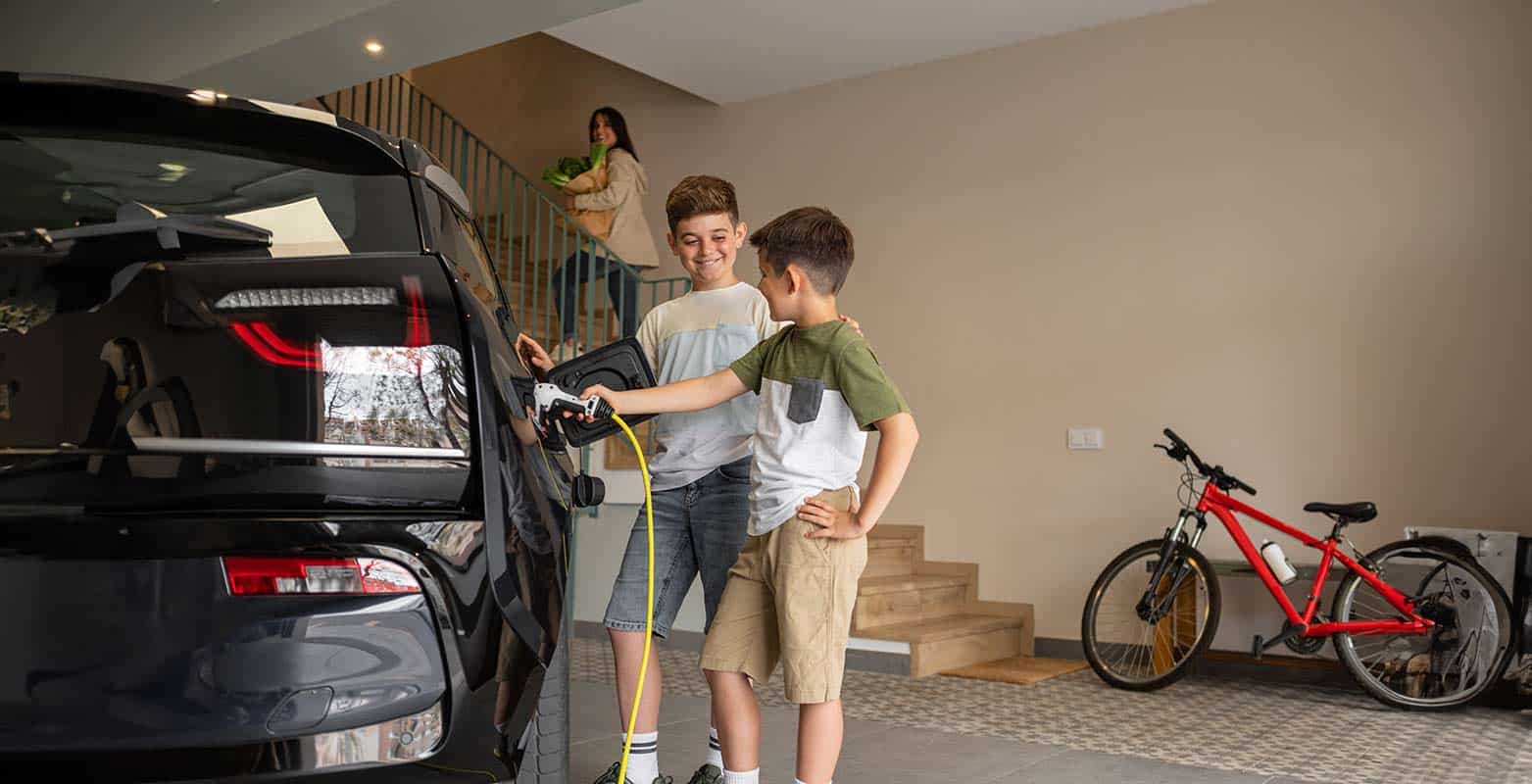
EV Charger Installation in Colorado: What Homeowners Should Know
As electric vehicles become more common across Colorado, many homeowners are installing EV charging stations at home for convenience, reliability, and long-term savings. While the idea of plugging in at home may sound simple, EV charger installation involves more than just mounting a unit on the wall.
From choosing the right charger level to understanding electrical upgrades, permits, safety standards, and financing options, homeowners often have questions about what the process entails. This guide breaks down what you should know before installing an EV charger in your Colorado home, and how professional installation and financing can make the process smoother.
Why Most Colorado Homeowners Choose Level 2 EV Charging
Home EV chargers generally fall into three categories: Level 1, Level 2, and Level 3. While all three are commonly mentioned, Level 2 chargers are the practical choice for most homeowners.
Level 1 chargers use a standard household outlet and charge very slowly, often taking a full day or more to recharge a vehicle. Level 3 chargers are designed for commercial or public use and are not suitable for residential electrical systems.
A Level 2 EV charger, on the other hand, uses a 240-volt power supply, similar to large household appliances, and can fully charge most electric vehicles overnight. For homeowners who rely on their EV for daily driving, this balance of speed and efficiency makes Level 2 charging the most popular option.
Why EV Charger Installation Often Requires Electrical Upgrades
One of the biggest surprises for homeowners is learning that installing an EV charger may require electrical upgrades. This isn’t a flaw in the charger; it’s about safely managing increased electrical demand.
EV chargers are high-power devices. Many homes, especially older ones, were not designed with this additional load in mind. An electrician must evaluate whether your existing electrical panel can handle the charger without overloading the system.
Common reasons upgrades may be needed include:
A panel upgrade isn’t always required, but it’s a common and proactive step to ensure safety, reliability, and code compliance.
When a Subpanel or Load Management Solution May Be Used
In some cases, homeowners don’t need a full panel replacement. Instead, an electrician may recommend alternative electrical power solutions.
A subpanel can be installed when the main panel is full but still has adequate overall capacity. This allows the EV charger to have a dedicated space without overcrowding the existing panel.
Another option is load management technology, which helps balance electrical usage throughout the home. These devices can limit power draw when multiple systems are running at once, potentially reducing the need for major upgrades.
An experienced electrician can determine which approach is the most efficient and cost-effective for your home.
What the EV Charger Installation Process Looks Like
Understanding the installation process helps homeowners feel confident and prepared. While every home is different, most EV charger installations follow a similar path:
- Electrical assessment to evaluate panel capacity and layout
- Permit application with local authorities
- Electrical upgrades, if required
- EV charger installation at the selected location
- System testing and safety checks
- Final inspection to ensure code compliance
Once permits are approved, many installations can be completed in a single day, especially when no major upgrades are required.
Choosing the Right Location: Garage or Outdoor Installation
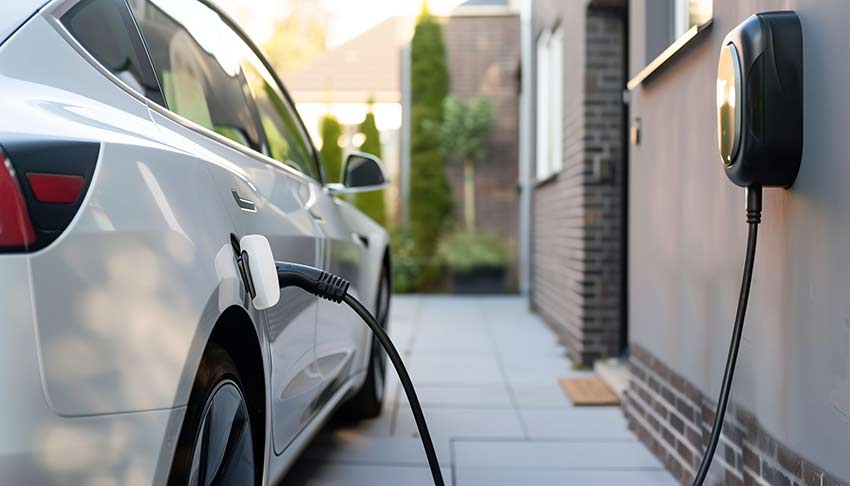
Most homeowners install EV chargers in a garage for convenience and protection from the elements. However, outdoor installations are also common and can be just as effective when done correctly.
Outdoor EV charger installations require:
Colorado’s changing weather makes professional installation especially important to ensure long-term durability and safe operation.
Safety Standards and Code Requirements in Colorado
EV charger installation must meet strict safety and electrical standards to protect your home and vehicle.
At the federal level, installations must comply with the National Electrical Code (NEC), which outlines requirements for:
In Colorado, EV charger installations also require:
These requirements exist to reduce fire risk, prevent electrical failures, and ensure your charging system operates safely for years to come.
As a trusted provider of professional electrical services in Colorado, Mac-Vik ensures that EV chargers are installed safely, properly permitted, and designed to support current and future electrical needs.
Why Professional EV Charger Installation Matters
While EV chargers may appear straightforward, improper installation can lead to serious risks, including electrical fires, system failures, or voided equipment warranties.
Professional installation helps ensure:
For most homeowners, working with a licensed electrician provides peace of mind and protects their investment.
Saving on EV Charger Installation: Incentives and Financing Options
Many homeowners are surprised to learn that financial incentives may be available for EV charger installation. Depending on eligibility and timing, rebates or tax credits may help offset a portion of installation and equipment costs. These programs can change, so it’s important to verify current options before starting your project.
In addition to potential incentives, financing can make EV charger installation more accessible, especially when electrical upgrades are involved. Financing options may allow homeowners to spread costs over time rather than pay upfront, covering everything from the charger itself to panel upgrades or subpanel installations.
For homeowners planning multiple energy or electrical improvements, financing can be a practical way to move forward without delay.
Why Homeowners Choose Mac-Vik for EV Charger Installation
Homeowners exploring EV charger installation often start by learning about different EV charging station options, including how charging levels work and which solutions are best suited for residential use.
EV charger installation is more than a single service; it’s an electrical project that requires experience, planning, and attention to safety. Working with a licensed, local electrical contractor ensures the job is done correctly from start to finish.
From evaluating your electrical system to completing permitted installation and inspections, professional support helps simplify the process and ensures your home is ready for the future of electric transportation.
Ready to Plan Your EV Charger Installation?
With extensive experience in residential electrical systems and EV infrastructure, Mac-Vik helps homeowners navigate every step of EV charger installation, from electrical evaluations and upgrades to final inspection and testing.
If you’re considering installing an EV charger in your Colorado home, working with a professional electrician can help you understand your options, prepare for any necessary upgrades, and explore financing options.
Contact us today to schedule a consultation.