How Colorado’s Hard Water Affects Your Plumbing (And What to Do About It)
Why Colorado’s “Fresh” Water Isn’t So Friendly to Your Plumbing
Colorado is known for its crisp, mountain-fresh water, but that same water can quietly damage your plumbing system.
As snowmelt moves through Colorado’s limestone and dolomite-rich ground, it collects minerals such as calcium and magnesium. By the time it arrives in homes across Denver, Aurora, and Boulder, that “fresh” water has become hard water.
Municipal treatment systems make sure your water is safe to drink, but they do not always remove these minerals. Over time, this can seriously affect your pipes, appliances, and energy efficiency.
This guide will show you how to spot hard water in Colorado, explain its effects on your plumbing, and share the best ways to protect your home.
What Is Hard Water?
Hard water means your water has a high amount of dissolved minerals, mainly calcium and magnesium.
In Colorado, this happens naturally due to the region’s geology. As water flows through rock formations, it absorbs minerals before entering the municipal supply.
That’s why hard water is so common in Denver, CO, and nearby areas. Many homeowners have ongoing plumbing issues without knowing the cause.
Signs You Have Hard Water in Your Colorado Home
Hard water leaves visible signs around your home. Here are some things to watch for:
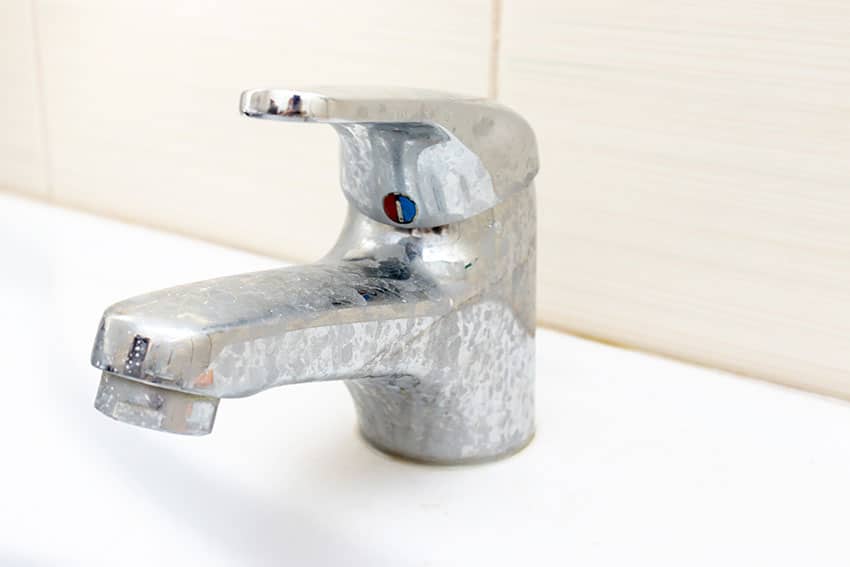
The “Crusty Showerhead” (Common in Denver Homes)
In many Colorado homes, hard water causes a stubborn white crust that clogs the small rubber nozzles on showerheads. This leads to uneven spray patterns and reduced water flow, which is one of the most obvious signs of mineral buildup.
How Hard Water Damages Your Plumbing System
Pipe Buildup & Reduced Water Flow
Over time, mineral deposits stick to the inside of your pipes, gradually narrowing them.
This buildup restricts water flow and can eventually cause pressure problems or expensive repairs.
Water Heater Inefficiency (The “Kettle Effect”)
This is one of the most costly effects of hard water in Colorado.
What happens next:
In Denver’s colder climate, where water heaters work harder all year, this problem causes even more wear and tear.
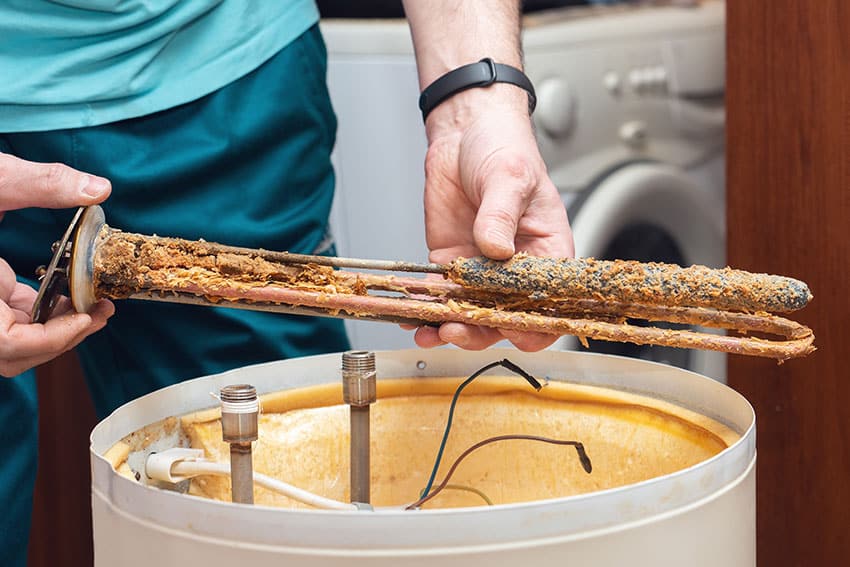
The water heating element of the water heater is covered with sediment and limescale – the effect of hard water in Colorado
Fixture & Appliance Wear
Hard water damages everyday appliances, including:
Mineral buildup lowers performance and makes appliances wear out faster.
Increased Utility Bills
When systems work harder due to scale buildup:
Long-Term Costs of Ignoring Hard Water
If left untreated, hard water problems in Colorado homes can lead to:
Fixing the problem early can save you thousands of dollars in the long run.
How to Test for Hard Water
You can identify hard water in a few ways:
DIY Indicators
At-Home Test Kits
Simple kits can quickly measure hardness levels.
Professional Water Testing
For the most accurate results, professional testing helps you know your water’s exact mineral content and find the right solution for your home.
Solutions for Hard Water in Colorado Homes
Water Softeners (Most Effective Solution)
Water softeners remove calcium and magnesium through a process called ion exchange.
Benefits:
Water Softeners vs. Water Conditioners
Colorado homeowners often want eco-friendly options.
This gives homeowners options based on their preferences and environmental concerns.
Whole-Home Water Filtration Systems
These systems provide additional benefits:
Regular Maintenance
Even if you do not have a softener, regular maintenance helps:
Should You Install a Water Softener in Denver?
For many homes, the answer is yes.
Best Candidates:
ROI Benefits:
Water Conservation Bonus
A water softener can help you save water because soaps and detergents work better, so you need less rinsing and create less waste.
Why Professional Installation Matters
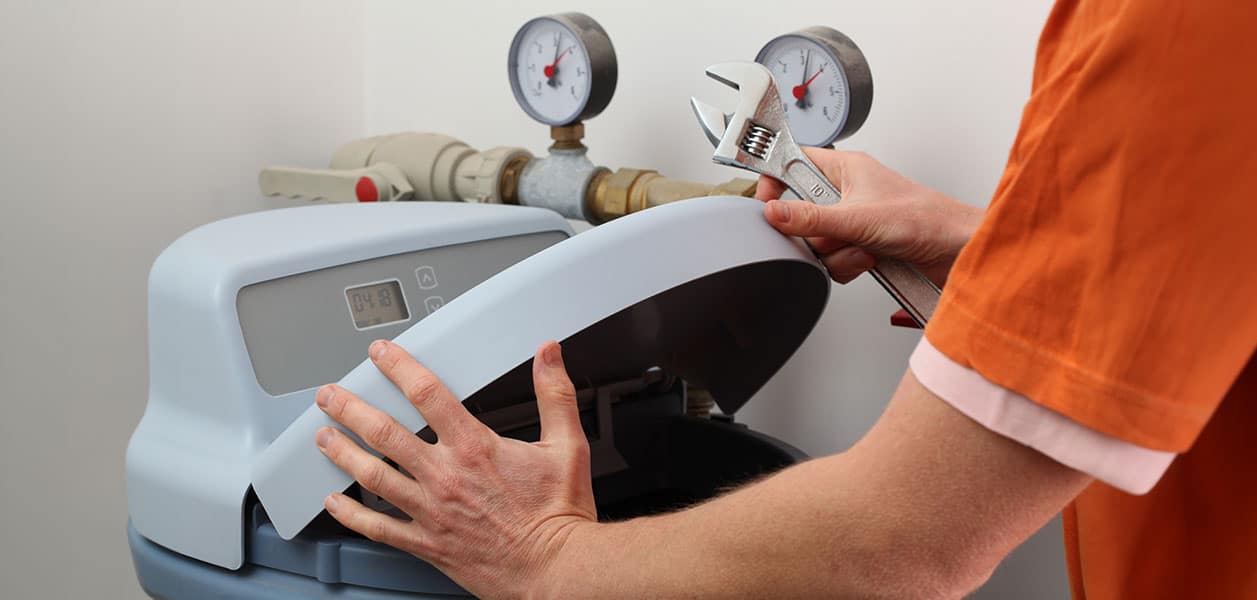
Installing a water treatment system is not just about plumbing; it also involves water chemistry.
Proper sizing and setup are critical to ensuring long-term performance and efficiency.
As a family-owned and operated company with decades of experience, Mac-Vik understands the specific challenges of hard water in Colorado homes.
With an A+ BBB rating, Torch Award for Ethics, and recognition as a FAVES Winner, Mac-Vik provides water quality solutions tailored to your home’s specific water conditions. This helps you avoid wasted salt, inefficient systems, and extra costs.
Frequently Asked Questions
Protect Your Home from Hard Water Damage
Hard water is a common problem in Colorado, but it does not have to be expensive to fix.
If you spot the signs early and choose the right solution, you can protect your plumbing, make your appliances last longer, and lower your monthly energy bills.
Get Expert Help with Hard Water in Colorado
If you have hard water problems in the Denver area, Mac-Vik is here to help.

Our team offers professional water testing and custom treatment solutions to make sure your home gets the protection it needs.
Contact Mac-Vik today to schedule your water quality assessment and find the best solution for your home.