Furnace Replacement in Colorado: What Homeowners Need to Know Before Upgrading
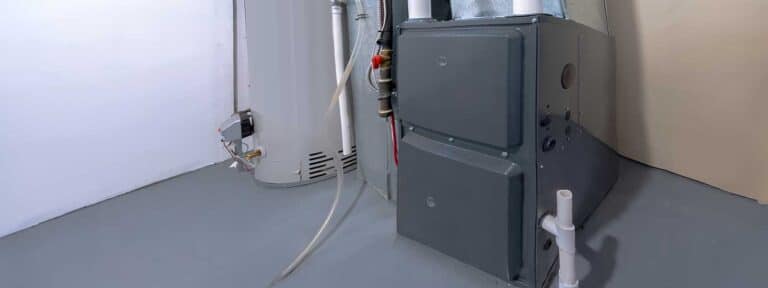
Replacing a furnace is a major decision for any homeowner, especially in Colorado, where cold winters, elevation changes, and energy-efficiency considerations all play an important role. Whether your system is nearing the end of its lifespan or struggling to keep your home comfortable, understanding your options for furnace replacement in Colorado can help you make a smarter, longer-lasting investment.
This guide covers the key signs it may be time for a furnace replacement, how to choose the right system for your Colorado home, what modern technologies are available, and what to expect in terms of cost, incentives, and long-term performance.
Signs It May Be Time to Replace Your Furnace
Most furnaces last between 15 and 20 years, but Colorado’s demanding winters can shorten that timeline. Replacement may be the better option if you’re experiencing:
For homeowners in Denver, Boulder, and mountain communities such as Dumont, elevation changes and rapid temperature swings can place additional strain on aging equipment, accelerating wear and reducing efficiency.
Key Factors to Consider Before Furnace Replacement
Proper Furnace Size (BTUs)
Choosing the correct furnace size is critical. A system that’s too small may struggle to heat your home, while an oversized furnace can short-cycle, waste energy, and wear out prematurely. Proper sizing depends on square footage, insulation, layout, and Colorado’s climate and elevation.
AFUE Ratings and Energy Efficiency
AFUE (Annual Fuel Utilization Efficiency) measures how efficiently a furnace converts fuel into usable heat. Higher AFUE ratings typically translate to lower energy costs and better performance, especially valuable during Colorado’s long heating seasons.
An experienced HVAC professional can help balance efficiency, comfort, and long-term operating costs when selecting a system.
Types of Furnaces and Hybrid Heating Options
Homeowners upgrading today have more options than ever. Common furnace replacement choices include:
If you’re weighing fuel options, Mac-Vic’s guide on gas vs. electric furnaces offers a deeper comparison tailored to Colorado homes.
Integrating a New Furnace With Your Existing System
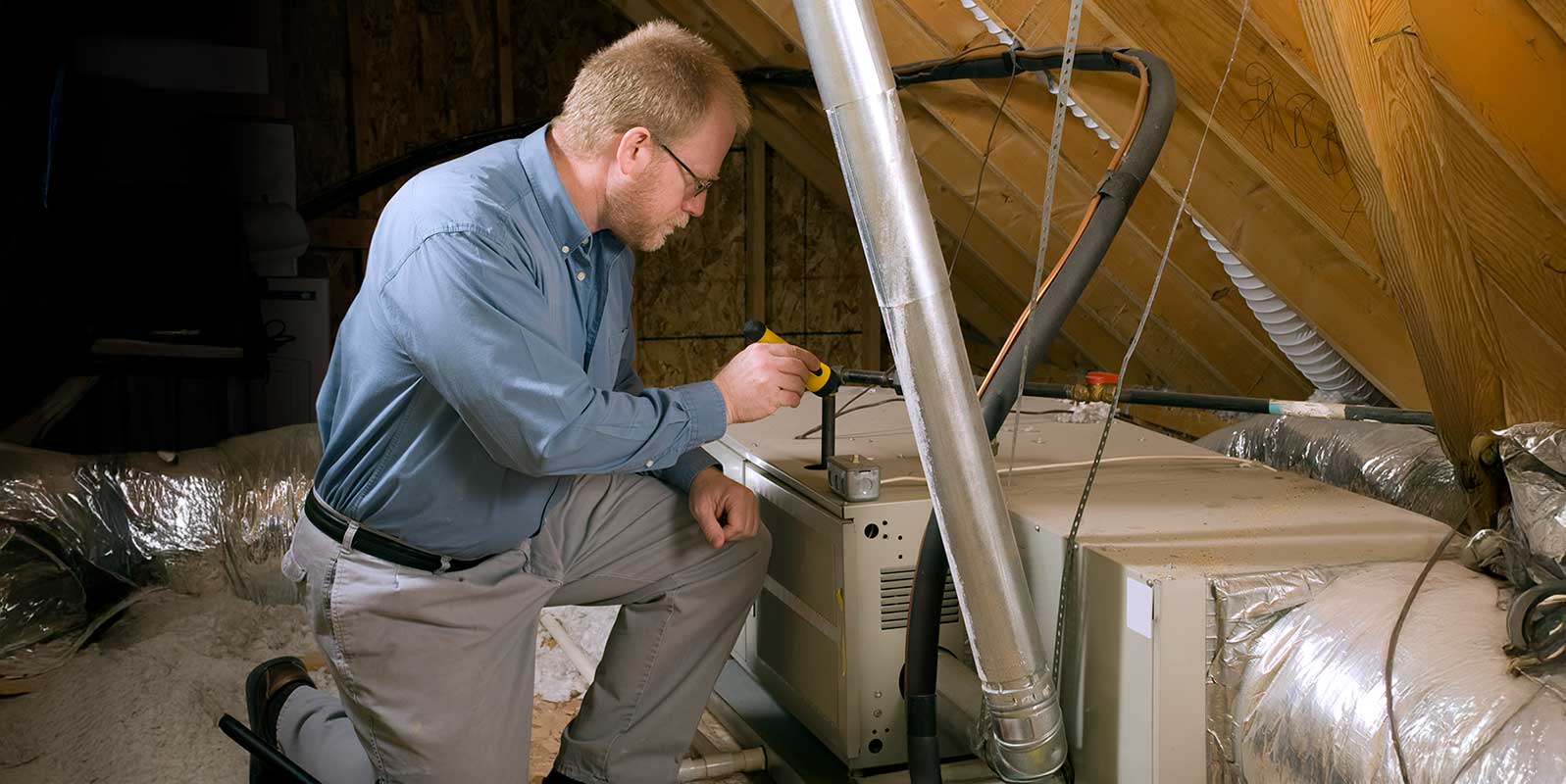
A successful furnace replacement involves more than swapping out equipment. Your contractor should evaluate how the new system integrates with:
Older duct systems or airflow restrictions can limit the performance of even the most advanced furnace. Addressing these issues during replacement helps ensure comfort, efficiency, and long-term reliability.
Modern Furnace Technologies That Improve Comfort
Today’s furnaces often include features designed to enhance comfort and efficiency, such as:
These technologies are especially useful in Colorado homes, where temperatures can change quickly.
Furnace Replacement Costs and Incentives in Colorado
Furnace replacement costs vary depending on system efficiency, home size, ductwork condition, and installation complexity. While higher-efficiency systems may cost more upfront, they often qualify for incentives that help offset the investment.
Homeowners may be eligible for:
Colorado emissions standards also influence which furnace models are available. Current offers, rebates, and seasonal savings can be found on Mac-Vic’s specials page.
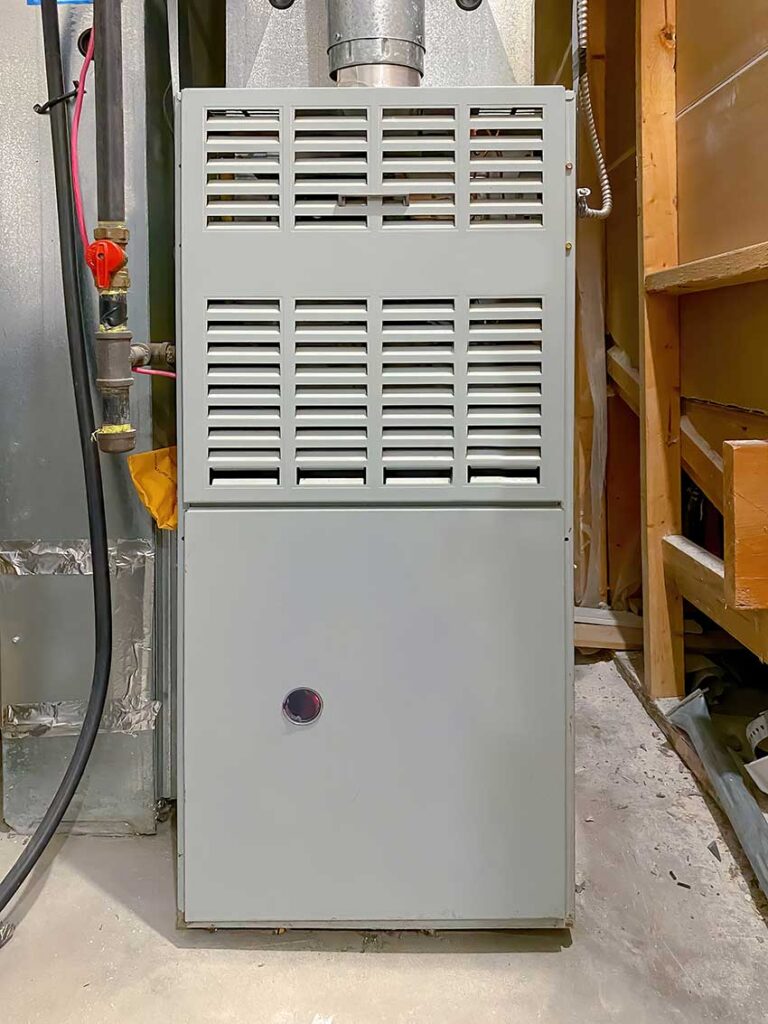
Tips to Help Your New Furnace Last Longer
Once your furnace replacement is complete, a few simple steps can extend system life:
Preventive care protects your investment and helps your system perform efficiently year after year.
Why Homeowners Trust Mac-Vic for Furnace Replacement
Mac-Vic Plumbing, Heating, Electrical, and Air Conditioning has served Colorado homeowners for decades. As a family-owned and operated company, Mac-Vic is known for award-winning service, ethical business practices, and a commitment to energy-efficient solutions.
Homeowners choose Mac-Vic because of:
Learn more about our values, history, and commitment to Colorado homeowners on our About Us page.
Schedule Your Furnace Replacement Consultation
If you’re considering furnace replacement in Colorado, including Denver, Boulder, Golden, Dumont, or nearby communities, Mac-Vic can help you explore the right solution for your home. Our team focuses on comfort, efficiency, and long-term reliability—not one-size-fits-all systems.
You can learn more about our professional furnace installation services or contact Mac-Vic today to schedule your consultation.